
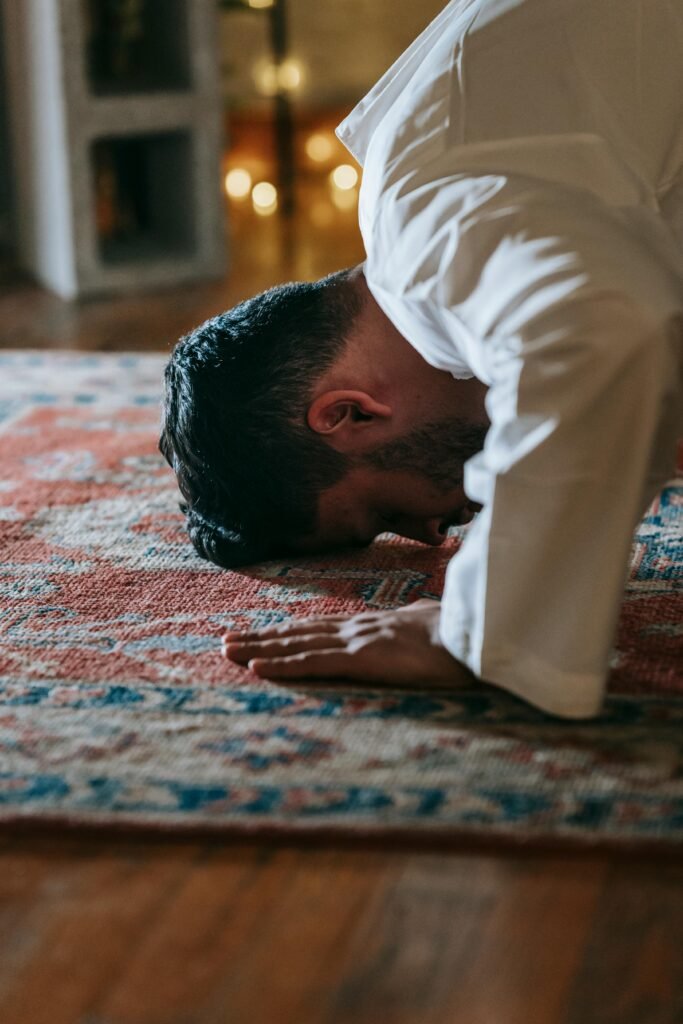
Namaz, also known as Salah, is one of the core pillars of Islam and holds a central place in a Muslim’s daily life. It is not merely a ritual of physical movements, but a deeply meaningful act of worship that connects a believer with Allah, disciplines the soul, and shapes a balanced lifestyle. Understanding why namaz is important helps us appreciate its impact far beyond the prayer mat.
A direct connection with Allah
Namaz is the most direct and personal form of communication between a believer and Allah. There is no intermediary—just you, your intention, and your Creator. Through namaz, Muslims express gratitude, seek forgiveness, and ask for guidance. This regular connection strengthens faith (imaan) and keeps a person spiritually grounded, no matter how busy or stressful life becomes.
A source of inner peace and mental clarity
In a fast-paced world filled with distractions, namaz provides moments of calm and reflection. The structured pauses throughout the day help reduce stress, anxiety, and restlessness. Standing, bowing, and prostrating with focus (khushu) allows the mind to detach from worldly worries and regain clarity. Many people find that regular namaz brings emotional stability and a sense of peace that carries into daily life.
Discipline and time management
Praying five times a day at fixed times teaches discipline and responsibility. Namaz naturally organizes a Muslim’s day around remembrance of Allah, encouraging better time management. Over time, this routine builds self-control and consistency—qualities that positively influence work, relationships, and personal goals.
Moral guidance and protection from wrongdoing
The Qur’an mentions that prayer restrains from immorality and wrongdoing. When performed sincerely, namaz acts as a moral compass. Regular remembrance of Allah nurtures humility, patience, and honesty, making a person more conscious of their actions and choices throughout the day.
Physical and health benefits
The movements of namaz involve standing, bowing, prostrating, and sitting, which together form a gentle form of physical activity. These movements help improve posture, flexibility, blood circulation, and joint health. While namaz is primarily an act of worship, its physical benefits are a meaningful added blessing.
Strengthening community and unity
Congregational prayers, especially in the mosque, foster unity and equality. People from different backgrounds stand shoulder to shoulder, reinforcing the idea that all are equal before Allah. This sense of brotherhood and community support strengthens social bonds and encourages compassion and empathy.
A constant reminder of purpose
Perhaps most importantly, namaz reminds Muslims of their purpose in life: to worship Allah and live according to His guidance. No matter how successful or difficult life becomes, prayer brings a believer back to what truly matters, helping them stay humble in success and patient in hardship.
Conclusion
Namaz is far more than a daily obligation—it is a powerful tool for spiritual growth, mental peace, moral discipline, and personal development. By committing to regular and sincere prayer, a Muslim nurtures a stronger relationship with Allah and builds a life rooted in balance, purpose, and mindfulness. In essence, namaz shapes not just moments of worship, but the entire way a believer lives.